
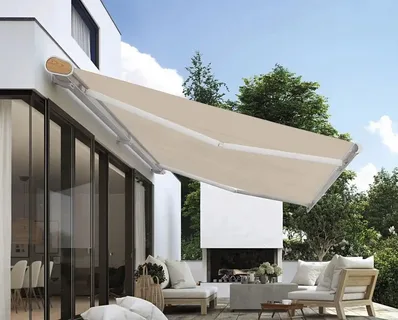

In 2025, home design isn’t just about aesthetics—it’s about smart, energy-efficient living. With summers getting hotter and energy costs constantly rising, homeowners are now paying more attention to how sunlight enters their homes. One of the biggest changes this year is the evolution of smart shading systems. They’re no longer a luxury; they’re fast becoming an essential part of modern homes. From automated awnings to solar-powered blinds, innovation in shading has made living spaces more comfortable and cost-effective. Many homeowners are turning to awning services to find the right solutions that balance technology with energy savings.
The Growing Need for Smarter Shade Solutions
You’ve probably noticed how temperatures are shifting each year. Homes are using more air conditioning than ever, and that’s driving up both bills and energy use. Smart shading systems are stepping in as a quiet but powerful way to fix that. They manage how sunlight enters your home, keeping interiors cooler during peak hours and warmer when it’s cold outside.
A lot of people don’t realize how much heat enters through windows and open spaces. Studies show that efficient shading can cut energy consumption by as much as 25%. That’s where awning services have become vital—helping homeowners choose designs and materials that make a noticeable difference in comfort and savings.
How Smart Shading Actually Works
The term “smart shading” sounds futuristic, but the concept is simple. These systems use sensors and automated controls to adjust your shades based on sunlight and temperature levels. For example, when direct sunlight hits your living room, the shades lower automatically, keeping things cool. As the light fades in the evening, they retract again.
Most systems today connect to home automation apps, allowing you to manage everything from your phone. You can schedule when your shades open and close, monitor energy usage, and even integrate them with your lighting system. Professional awning services now often include installation of motorized systems, ensuring smooth operation and seamless integration with smart home technology.
Sustainable Materials Leading the Way
One of the most exciting trends in 2025’s smart shading world is sustainability. It’s not just about technology—it’s also about the materials used. New fabrics are being designed to reflect heat while letting in soft, natural light. Some even filter UV rays to protect furniture and flooring from fading.
Manufacturers have also started offering recycled and eco-friendly materials that are both durable and visually appealing. This green approach is something modern awning services are strongly promoting, as homeowners increasingly ask for options that align with their environmental values.
Automation That Adapts to Your Lifestyle
Imagine shades that adjust based on your daily habits. You wake up, and the morning light gradually enters your room without you lifting a finger. During the hottest hours of the day, the shades automatically close to keep your home cool. That’s the level of automation many 2025 systems now offer.
Some models even use data from weather forecasts to predict sunlight intensity and adjust beforehand. Whether it’s a small balcony setup or a large patio installation, awning services can now design automated shading that perfectly fits how you live—making comfort both effortless and intelligent.
Combining Style with Functionality
Gone are the days when awnings were purely functional. Today’s designs are sleek, minimal, and often customizable. Homeowners want shading systems that blend with their architecture, not stand out awkwardly. From modern retractable awnings with hidden frames to pergola-style canopies that double as design statements, there’s something for every type of home.
Many awning services now offer 3D design previews so clients can see how a structure will look before it’s built. Color choices, fabric textures, and frame finishes can all be adjusted for a clean, personalized look. It’s not just smart living—it’s also stylish living.
Energy Efficiency and Cost Savings
The real magic of smart shading lies in the energy savings it delivers. Automated awnings and blinds reduce the load on air conditioning systems, which in turn lowers electricity bills. By controlling how much sunlight enters the home, these systems help maintain a stable indoor temperature without over-relying on artificial cooling or heating.
Over time, this leads to noticeable savings. Many homeowners report that after installing systems through professional awning services, their monthly utility bills dropped significantly. It’s a one-time investment that keeps giving returns—financially and environmentally.
Integration with Renewable Energy Systems
Another interesting trend is how shading systems are now working hand-in-hand with renewable energy. Some modern awnings are solar-powered, using small panels to charge their motors. Others integrate with solar roofing systems to optimize how sunlight is used or blocked.
These combinations create an energy loop where natural light and power work together efficiently. Homeowners who already have solar installations are finding that pairing them with smart shading maximizes energy performance throughout the day. Reputable awning services are starting to offer packages that include these integrated systems for complete home efficiency.
Weather-Responsive and Durable Designs
With unpredictable weather patterns becoming common, durability is key. New shading innovations are designed to withstand strong winds, heavy rain, and extreme sunlight without losing performance. High-tensile fabrics, corrosion-resistant metals, and waterproof coatings ensure these systems last for years.
Modern awning services take climate into account before installation—choosing the right material and frame strength based on local conditions. It’s not just about installing a shade; it’s about making sure it performs well no matter the season.
The Human Comfort Factor
While energy efficiency and technology are impressive, comfort is still the core reason people invest in shading. A cooler home, softer light, and protection from glare all improve how spaces feel. Smart shading creates an indoor environment that’s naturally comfortable—without the constant hum of air conditioning or harsh sunlight ruining your mood.
Even better, automation takes away the effort of constant adjustments. Once installed by trusted awning services, it’s one less thing homeowners have to worry about.
Looking Ahead
As 2025 continues, smart shading isn’t just a trend—it’s a shift toward smarter living. Homes are becoming more adaptable, blending sustainability, comfort, and design in one seamless package. Whether you’re upgrading your existing setup or starting fresh, understanding what you should know about these technologies helps you make better, long-term choices.
From intelligent sensors to eco-friendly materials, the new generation of shading solutions is all about using less energy and gaining more comfort. And with the expertise of local awning services, homeowners can now transform ordinary spaces into energy-efficient, stylish, and future-ready environments.