
Installing a new outdoor canopy or awning is a significant investment for any business or homeowner. A well-chosen canopy provides essential shade, protects interiors from sun damage, and dramatically enhances curb appeal. However, making the wrong choice can lead to wasted money, structural problems, and frequent maintenance headaches. To ensure your investment pays off, you must approach the process prepared with the right questions. Before you move forward with a professional, starting with reliable Awning Services in Fullerton—or wherever your project is located—is the best way to guarantee you cover all critical planning stages. Here is a comprehensive guide to the essential questions you need to ask your provider and yourself before breaking ground.
What You Should Know: Design and Aesthetic Questions
The canopy’s visual impact is often the first thing customers or guests notice. Getting the design right requires careful thought about both form and function.
1. What is the Best Style and Shape for My Building’s Architecture?
Canopies come in a wide range of styles, including dome, traditional slope, elongated waterfall, and modern retractable models. The best choice should complement your building’s existing architecture, not clash with it.
- For Commercial Spaces: A sleek, straight-edge canopy often works best for modern storefronts, while a curved dome may suit a classic or boutique setting.
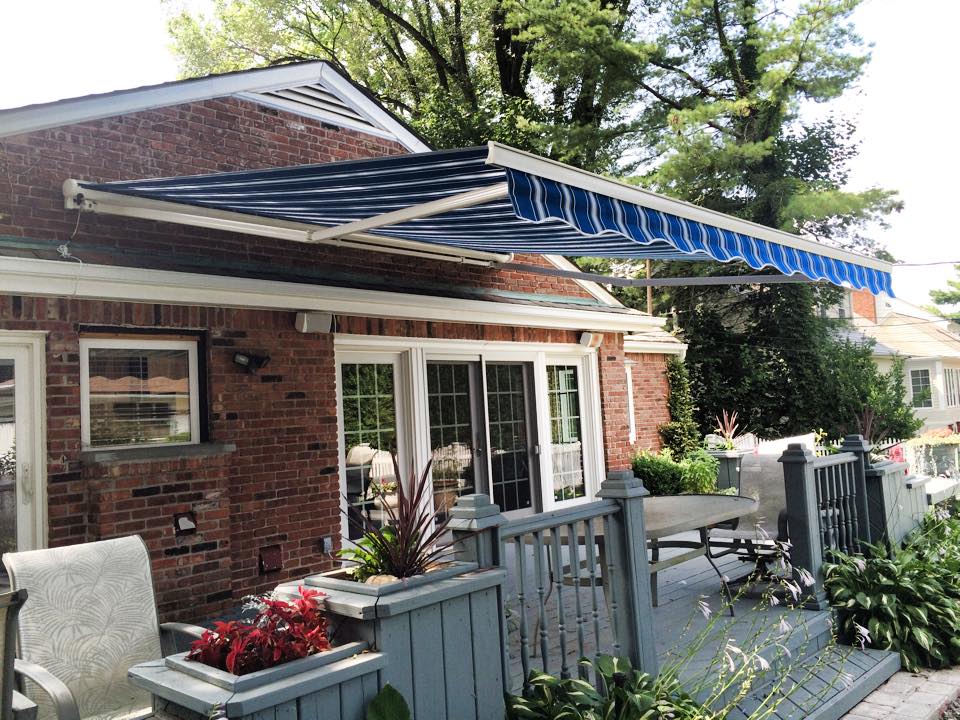
- For Residential Homes: A retractable awning offers flexibility, allowing you to enjoy the sun when you want and shade when you need it.
- Color and Fabric: Ask to see swatches in person and consider how the color will look in both direct sunlight and shade. Will the fabric color maintain its vibrancy against the sun’s strong UV rays?
2. How Will the Canopy Affect Visibility and Signage?
If this is for a business, the canopy must enhance, not obstruct, your store name or existing signage. Ask the provider for a mock-up showing the canopy in relation to your existing windows and branding elements. Ensure the bottom edge of the canopy is high enough to allow comfortable foot traffic underneath without creating a feeling of being cramped.
Structural and Durability Questions
The longevity and safety of your canopy depend heavily on the materials used and the installation method. Never compromise on structural integrity.
3. What Materials Are Recommended for the Frame and the Fabric?
The two main components—the frame and the cover—determine the lifespan of the canopy.
- Frame Materials: Ask if the frame is made of aluminum (lighter, rust-proof) or steel (stronger, but requires better rust-proofing). The frame must be engineered to withstand local wind loads.
- Fabric Options: The most common durable materials are acrylic and vinyl.
- Acrylic is breathable, resists fading, and is mildew-resistant.
- Vinyl is completely waterproof and often easier to clean, but it may trap heat underneath. Discuss which material is best suited for the specific climate in your region.
4. How is the Canopy Secured to the Building and What is the Wind Rating?
This is perhaps the most critical safety question. The mounting method must be appropriate for the exterior material of your building (stucco, brick, wood, etc.).
- Attachment Points: Ask for details on the anchoring system, bolts, and mounting plates. The installation should ensure that water cannot seep into the wall structure around the attachment points, leading to future damage.
- Wind Rating: Every quality canopy should have an engineer-approved wind load rating. Ask what the rating is and how it compares to the typical maximum wind speeds in your area. This is essential for protecting your property during heavy storms.
Logistical and Regulatory Questions
In areas like Fullerton, CA, there are often specific municipal codes, setbacks, and permitting requirements that must be addressed before installation begins.
5. Will I Need a Permit, and Who Handles the Application Process?
For commercial properties or large residential installations, a building permit is often mandatory, especially if the canopy extends over public property or involves structural changes.
- Permit Responsibility: Clarity is essential: Does your Awning Services in Fullerton provider handle the permit application process, including submitting necessary drawings, or is that the owner’s responsibility? A full-service contractor will typically manage this complex paperwork for you.
- Zoning Compliance: Confirm that the canopy meets local zoning ordinances regarding size, projection distance, and height above the sidewalk.
6. What Warranties Are Included on the Product and the Installation?
Protect your investment by understanding the coverage provided. There should be two separate warranties:
- Manufacturer’s Warranty: This covers the fabric and frame against defects (usually 5 to 10 years). Ask about coverage for fading, which is a major concern.
- Installer’s Warranty: This covers the labor and installation integrity (typically 1 to 5 years). A longer installation warranty shows confidence in their workmanship.
Maintenance and Operation Questions
Understanding the long-term care required will help you budget for maintenance and ensure the canopy lasts for its maximum intended lifespan.
7. What is the Required Maintenance Schedule, and How is the Canopy Cleaned?
Regular maintenance will prevent mildew, staining, and wear.
- Cleaning: Ask for specific cleaning instructions based on the fabric material. Some require simple rinsing, while others need specific cleaning solutions. Can the fabric be easily removed for a deep clean if necessary?
- Retractable Mechanisms: If you choose a retractable model, ask about the motor’s lifespan, required lubrication, and what happens if the motor fails (can it be manually operated?).
By asking these top questions, you ensure that you are making an informed decision about the design, structural safety, regulatory compliance, and longevity of your new outdoor canopy, setting the stage for a successful and lasting enhancement to your property.